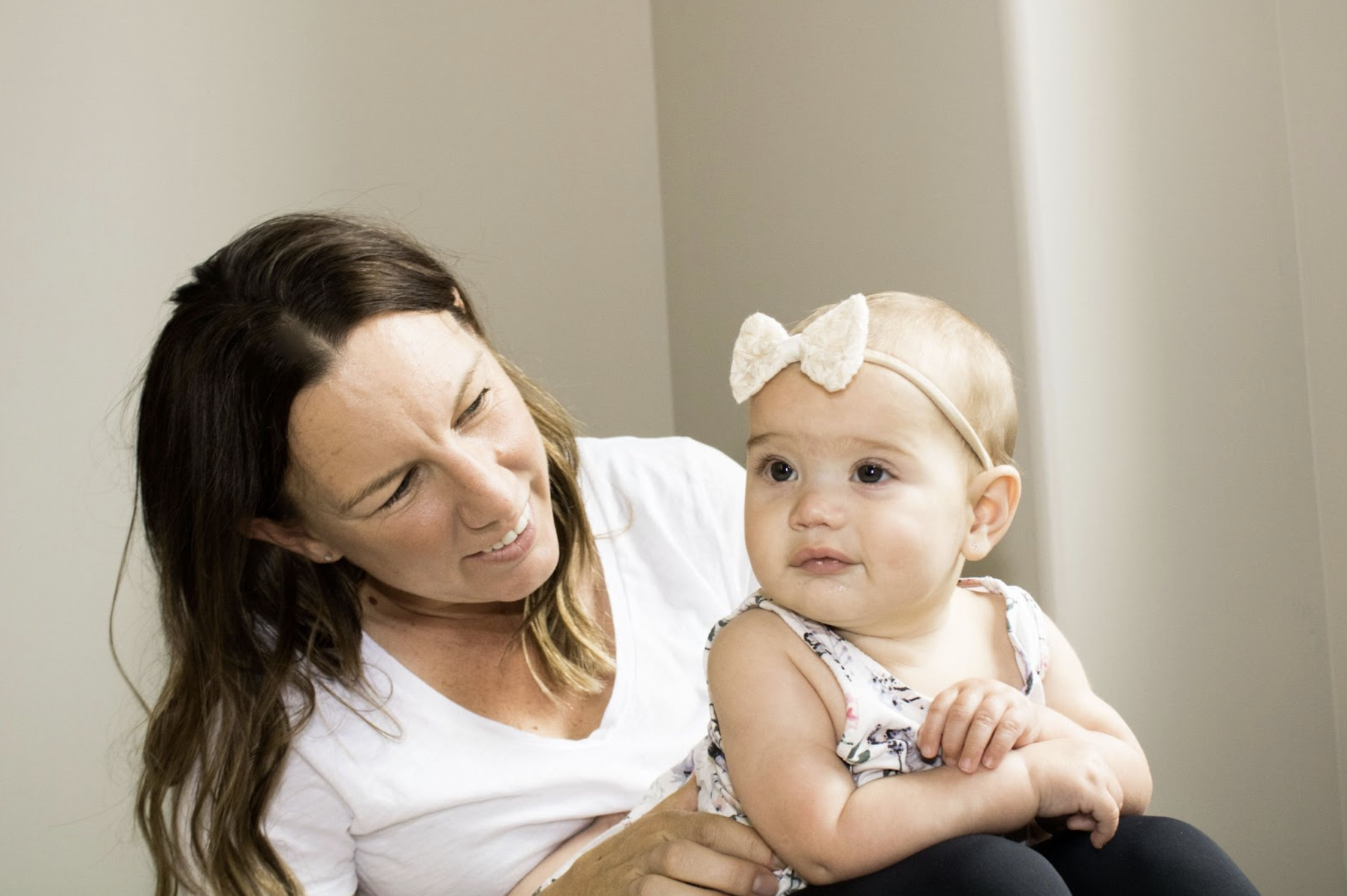
Tummy time is one of the most important activities for your baby in their first few months. While it plays a crucial role in your baby's physical, cognitive, and sensory development. Let’s dive into why tummy time is so important, when to start, and how to make it fun and engaging.
Why Is Tummy Time Important?
Strengthens Muscles
Tummy time helps your baby build the muscles in their neck, back, arms, and shoulders. This strength is essential for future milestones such as rolling over, sitting up, crawling, and even standing. Without sufficient tummy time, babies might experience delayed motor skills development.
Promotes Motor Skills
By lifting their head and chest during tummy time, babies develop coordination and strength. This leads to grasping, pushing up, reaching for toys, and later they will learn to move their bodies.
Decreases Chances of a Flat Head
Babies who spend a lot of time lying on their backs or in a container (prolonged carseat, bouncer, swing, etc), which can cause the back of their head to flatten. Tummy time helps reduce the risk of developing a flat head (positional plagiocephaly) by allowing the baby to rest on different parts of their skull.
Improves Sensory Development
Tummy time allows your baby to experience the world from a new angle. This is a great way to stimulate their vision, as they start to track objects, and hearing, as they begin to turn their head towards sounds. It also encourages spatial awareness as they start to explore different textures, lights, and patterns from their tummy.
Promotes Cognitive Growth
The increased activity and engagement during tummy time stimulate brain development. Babies learn how to interact with their environment, focusing on both the task of lifting themselves up and engaging with their surroundings.
When to Start Tummy Time?
It’s never too early to start tummy time! Begin tummy time as soon as your baby is born, but always under supervision and with caution. The American Academy of Pediatrics recommends starting tummy time for babies as early as the first day, but in small increments. Your chest is the perfect place to start, the more upright you are sitting the easier it is for your baby.
In the early days, start with just 2-3 minutes at a time, gradually increasing as your baby gets stronger and gradually reclining when doing chest to chest tummy time. By 3-4 months, babies should be able to handle 20-30 minutes of tummy time each day or more, broken up into several sessions, including the floor. This may not all happen at once, and that's okay! Even a few minutes at a time is beneficial. QUALITY over QUANTITY!

How to Make Tummy Time Fun
Use a Playmat & Toyes
A soft, padded playmat is perfect for tummy time. You can find mats with colorful patterns, textures, and attached toys to keep your baby engaged. Look for one with a mirror or rattles to encourage your baby to look around. Begin with black and white contrast, as your baby gets older use toys, rattles, and siblings to keep their attention.
Lie Down With Your Baby
Babies love to mimic their parents. Lie down on your stomach facing your baby to encourage eye contact and interaction. This also makes tummy time feel less lonely and more like a fun bonding activity.
Use An Infant Support Pillow (Boppy)
Some parents find that using an infant support pillow (Boppy) or cushion to help prop up their baby’s chest can make the experience more comfortable. However, always ensure your baby is positioned safely and never leave them unattended.
Make It a Routine
Consistency is key! Make tummy time part of your daily routine, a few minutes after a diaper change or after a feeding and good burp. The more your baby gets used to it and is exposed to tummy time, the easier and more enjoyable it will become.
Tips for Parents
Stay Attentive: Always supervise tummy time. Never leave your baby on their stomach unsupervised, especially on soft surfaces like beds or couches.
Follow Your Baby’s Lead: If your baby becomes frustrated, take a break and try again later. It’s okay if they only manage a few minutes at first!
Patience is Key: Some babies love tummy time right away, while others need more time to adjust. It’s normal if your baby doesn’t like it at first. Gradually, as they build strength, they’ll start enjoying it more.
Tummy Time Alternatives
If your baby struggles with tummy time, you can try a few alternatives:
Chest-to-Chest: Lay on your back and place your baby on your chest, allowing them to practice lifting their head while being close to you. This also provides comforting skin-to-skin contact.
Side-Lying: For babies who don’t like lying flat on their tummy, you can gently place them on their side for a few moments to get used to lifting their head and moving their limbs.
Tummy time is an essential practice that lays the foundation for your baby’s physical and cognitive development. It’s a great way to bond with your baby while helping them develop the strength and skills they need for future milestones. Start slowly, make it fun, and keep it consistent. Remember–progress doesn’t happen overnight, and every baby moves at their own pace. Before you know it, your little one will be rolling, sitting, and crawling all thanks to this simple but vital activity.
If your little one isn’t a fan of tummy time, or you have questions about tummy time, feel free to reach out to us! Our team is ready to help!